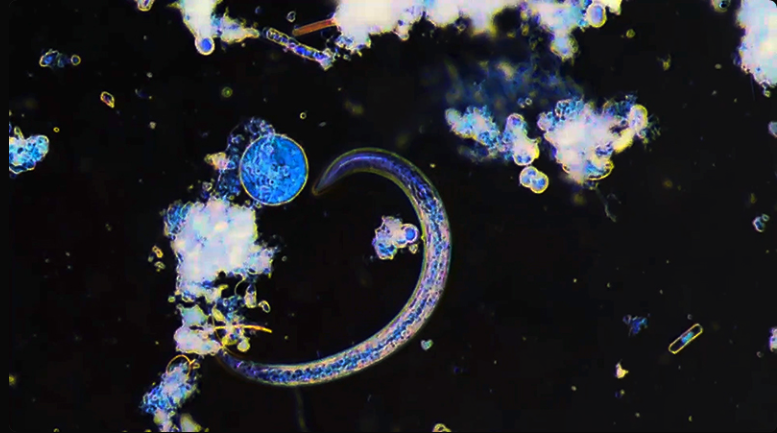
 Biology is the study of life and living organisms, encompassing their structure, function, growth, origin, evolution, and distribution. It deals with living organisms and their vital processes, applying the scientific method to determine verifiable facts or formulate theories based on experimental evidence about all forms of life from single-celled microorganisms to complex multicellular plants, animals, fungi, and humans. Central to biology is the recognition that all living organisms share certain fundamental characteristics, including cellular organization, metabolism, homeostasis, responsiveness to stimuli, reproduction, and the capacity for adaptation through evolution.
Biology focused on the physicochemical aspects of life and the interrelationships among organisms and their environments. It encompasses diverse fields, such as cell biology (fundamental units of life), genetics (exploring inheritance and variation), ecology (studying interactions within ecosystems), evolution (tracing the origins and diversification of species), and physiology (how organisms function and maintain homeostasis). Biology often integrates insights from related disciplines, as seen in biochemistry and biophysics, but its core identity remains the empirical investigation of what distinguishes living systems from nonliving matter.
Aerobiology - Studies airborne biological particles, such as pollen, fungal spores, bacteria, viruses, and other microorganisms, including their dispersal through the atmosphere and their effects on human health, ecosystems, and the environment.
Anatomy - Deals with the structure of organisms and the relationships between their parts, encompassing macroscopic (gross) anatomy visible to the naked eye and microscopic (histology) anatomy at the cellular and tissue level. It forms a foundational discipline for understanding the physical organization of plants, animals, and humans.
Botany - The scientific study of plants, including their structure, growth, reproduction, metabolism, diseases, and interactions with the environment.
Ecology - Examines the interactions among organisms and between organisms and their physical environment, including the distribution, abundance, and dynamics of populations, communities, and ecosystems. It addresses processes such as energy flow, nutrient cycling, and biodiversity.
Genetics - The study of genes, genetic variation, and heredity in living organisms, including how traits are passed from parents to offspring through DNA and the mechanisms of mutation, recombination, and gene expression.
Microbiology - The study of microscopic organisms, including bacteria, archaea, viruses, fungi, and protozoa, focusing on their structure, function, genetics, ecology, and interactions with other life forms and the environment.
Zoology - The study of animals, including their structure, physiology, behavior, classification, evolution, and distribution across ecosystems. It integrates observations from both living and extinct species to understand animal diversity and relationships.