
Architecture
Applied Science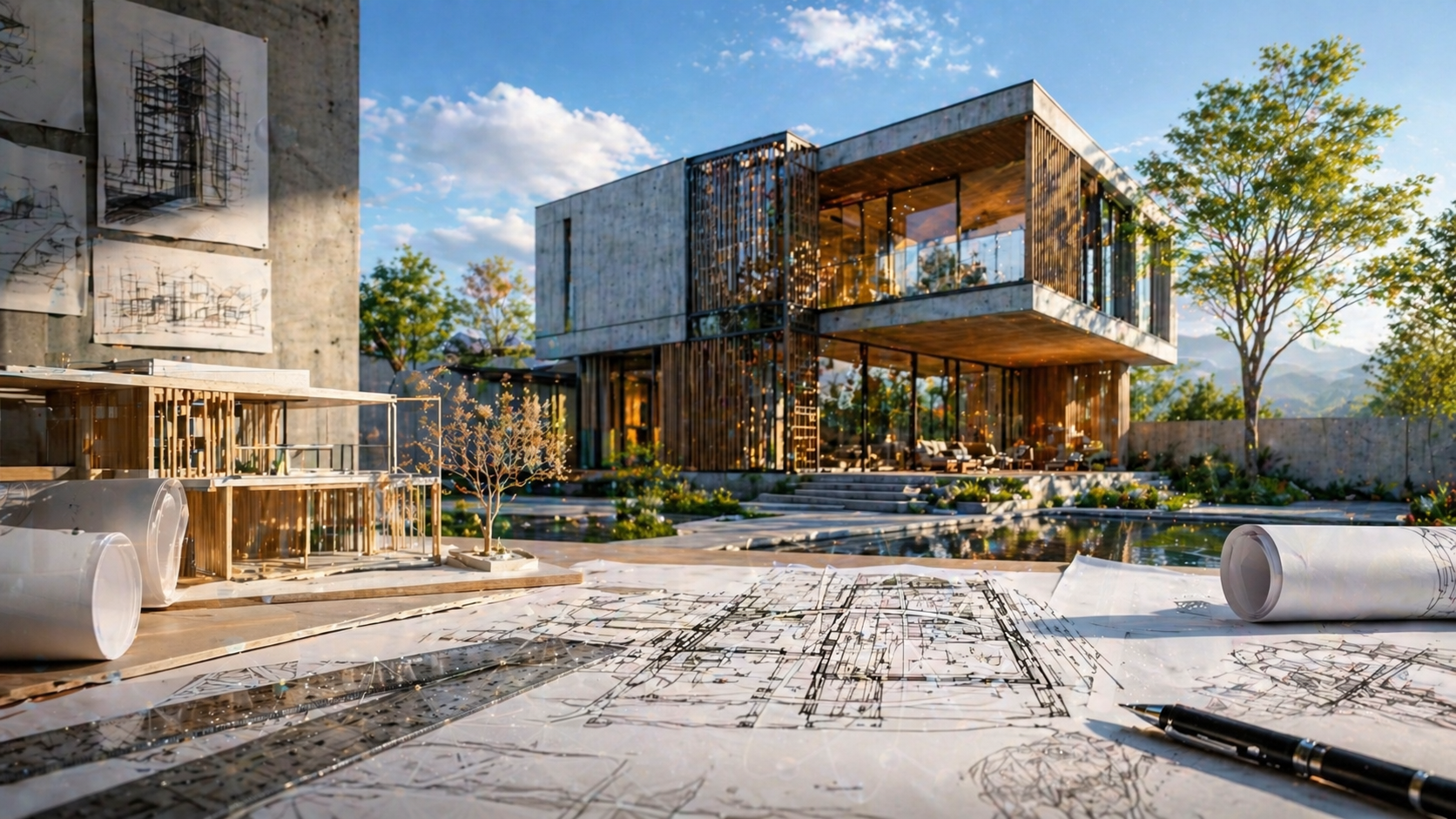 Architecture is concerned with the design, planning, and construction of buildings and other physical structures, grounded in both technical knowledge and cultural expression. It integrates principles from engineering, material science, environmental systems, and aesthetics to create spaces that are functional, safe, and responsive to human needs.
Architecture served as a record of human civilization, reflecting social values, technological capabilities, and environmental adaptation. From ancient structures to contemporary sustainable design, it embodies a blend of art and science. Architects have to consider structural stability, spatial organization, environmental performance (such as lighting, ventilation, and energy use), and the relationship between a building and its context. The discipline operates within established standards, building codes, and safety regulations to ensure that structures are durable and suitable for their intended use.
| Science |
| Applied Science |
| Architecture |
From a builder’s perspective, architecture is the practical and technical framework that defines how a structure is conceived, detailed, and ultimately constructed. It is a set of plans, specifications, and design decisions that guide the entire building process, ensuring that a structure can be built safely, functions as intended, and complies with established building codes and standards. Architecture translates an idea into precise instructions, dimensions, materials, structural systems, and construction methods that can be executed on a job site.
In construction the design must account for real-world conditions such as material properties, load paths, site constraints, sequencing of work, and the coordination of trades. Architectural drawings and documents provide the basis for interpreting how foundations are laid, how framing is assembled, how systems like electrical and plumbing are integrated, and how finishes are applied. These documents must align with engineering requirements to ensure structural integrity and safety, which are governed by well-established principles of physics and regulated through enforceable codes.
Architecture Branches
Commercial - Involves designing buildings and spaces for business use, such as offices, retail stores, shopping centers, and entertainment facilities.
Industrial - Specializes in facilities like factories, warehouses, manufacturing plants, refineries, and transportation centers.
Institutional or Public - Covers buildings like schools, hospitals, government facilities, museums, and other civic or educational structures.
Interior - Deals with the functional and aesthetic design of building interiors, often in coordination with the overall structure.
Landscape - Centers on the design of outdoor environments, including parks, gardens, plazas, campuses, and urban green spaces.
Residential - Focuses on designing homes, apartments, housing complexes, and other living spaces for individuals and families.
Sustainable (or Green) - Emphasizes energy-efficient, environmentally friendly designs using sustainable materials and practices.