
Organic Chemistry
Chemistry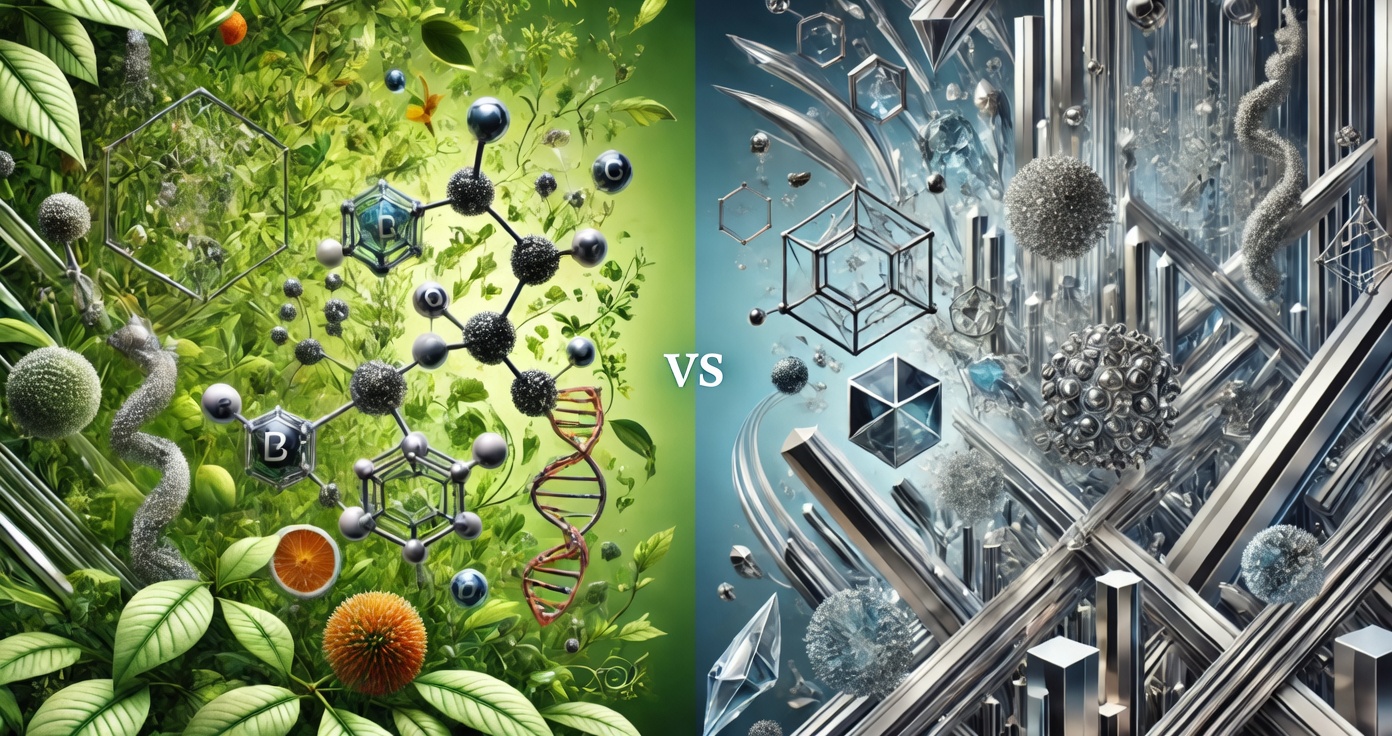 Organic chemistry focuses on compounds containing carbon atoms, particularly those in which carbon is bonded to hydrogen, oxygen, nitrogen, or other elements in a wide variety of structures. This includes hydrocarbons, molecules composed solely of carbon and hydrogen as well as their derivatives, such as alcohols, ethers, aldehydes, ketones, carboxylic acids, amines, and countless more complex substances.
Its the presence of carbon in covalent bonding arrangements, not by any connection to life. Carbon’s unique ability to form stable chains, rings, and multiple bonds with itself and other atoms allows for an immense diversity of molecular architectures, estimated to number in the tens of millions of known compounds, far exceeding those of any other element. The field encompasses the determination of molecular structures, the prediction and control of chemical reactivity, the development of synthetic methods to build new molecules, and the analysis of reaction mechanisms at the atomic level. It supports the understanding of biological processes, the creation of pharmaceuticals, polymers, dyes, fuels, and materials, yet its scope remains strictly chemical rather than biological or speculative.
| Science |
| Natural Science |
| Chemistry |
| Organic Chemistry |
Organic chemistry includes both naturally occurring substances and synthetic compounds. It supports fields such as pharmaceuticals, petrochemicals, materials science, and biochemistry, where the controlled design and transformation of carbon-based molecules are essential.