
Waste Management
Engineering, Civil, Waste Management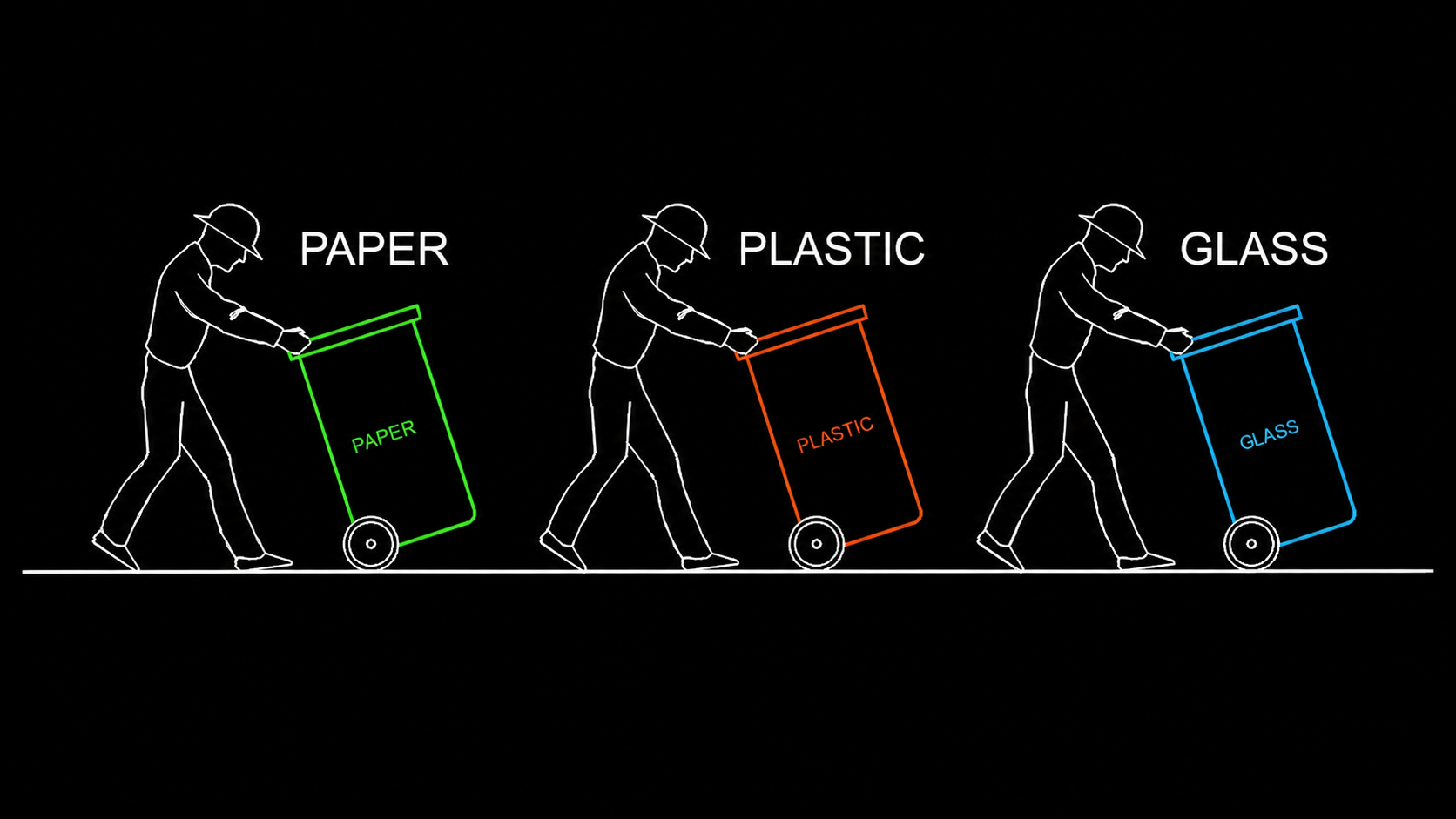 Waste management system is a series of technologies and services (infrastructure) for the collection, containment, transport, treatment, and management of waste, particularly human waste and wastewater. It comprises waste products that travel through infrastructure that employ various sensitive technologies that are specific to the type of waste and the local sanitation requirements. These requirements that include the physical environment as well as cultural norms and the local infrastructure. Some waste products are generated directly by humans (urine, feces/excreta), others require the use of flush water to move excreta through sewers, and some are generated as a function of storage or treatment (sludge). The design of a system includes the definition of all of the waste products flowing into and out of each of the technologies in the system.
Sanitation plays a significant role in public health by ensuring that waste products are properly treated and disposed of, minimizing the risk of disease transmission and environmental contamination. Waste management engineers work closely with other professionals, such as environmental engineers, urban planners, and public health officials, to create sustainable and effective waste management systems.
Agricultural Waste Management - Deals with wastes generated from farming and livestock operations, including manure, crop residues, pesticide containers, and agricultural runoff. Management methods include nutrient recovery, composting, and pollution prevention.
Biomedical and Medical Waste Management - Specializes in handling infectious and potentially dangerous waste generated by hospitals, clinics, laboratories, veterinary facilities, and research institutions. It includes sharps disposal, sterilization, incineration, and pathogen control.
Composting and Organic Waste Management - Focuses on biodegradable wastes such as food scraps, agricultural residues, and yard waste. Methods include aerobic composting, vermicomposting, and anaerobic digestion for producing compost, soil amendments, or biogas.
Construction and Demolition Waste Management - Deals with debris from construction, renovation, demolition, and infrastructure projects, including concrete, wood, metals, asphalt, and drywall. This branch emphasizes recycling, reuse, and safe disposal of building materials.
Electronic Waste (E-Waste) Management - Focuses on discarded electronic and electrical devices such as computers, phones, televisions, and appliances. It includes safe dismantling, recycling, recovery of valuable metals, and control of toxic substances such as lead, mercury, and cadmium.
Hazardous Waste Management - Concerns wastes that are toxic, corrosive, ignitable, reactive, infectious, or radioactive. This branch includes identification, storage, transportation, treatment, containment, and disposal of hazardous materials to protect human health and the environment.
Industrial Waste Management - Deals with waste produced by manufacturing, mining, power generation, chemical processing, and industrial operations. It includes handling solid, liquid, and semi-solid industrial byproducts, treatment systems, pollution prevention, and compliance with environmental regulations.
Landfill Management - Concerns the design, operation, monitoring, closure, and environmental control of sanitary landfills and secure hazardous-waste landfills. It includes leachate control, gas collection, liner systems, and environmental monitoring.
Municipal Solid Waste Management - Focuses on the collection, transportation, processing, recycling, and disposal of everyday waste generated by households, businesses, schools, and institutions. This branch includes garbage collection systems, transfer stations, recycling programs, landfill operations, and waste reduction strategies.
Radioactive Waste Management - Specializes in handling radioactive materials from nuclear power generation, medicine, research, and industrial applications. It includes shielding, containment, long-term storage, and controlled disposal.
Recycling and Resource Recovery Management - Concentrates on recovering reusable materials such as paper, plastics, metals, glass, and organic matter from waste streams. It includes sorting technologies, material recovery facilities, circular economy practices, and secondary raw material production.
Solid Waste Management - Broadly addresses the management of non-liquid waste materials, including residential, commercial, industrial, agricultural, and institutional solid wastes. Activities include segregation, collection, recycling, composting, incineration, and landfill management.
Wastewater and Liquid Waste Management - Involves the collection, treatment, reuse, and disposal of sewage, industrial effluents, sludge, and contaminated liquids. This branch includes wastewater treatment plants, sewer systems, biological treatment, and water reclamation technologies.
Waste-to-Energy Management - Focuses on converting waste materials into usable energy through processes such as incineration, gasification, pyrolysis, and anaerobic digestion. This branch integrates waste reduction with energy recovery systems.