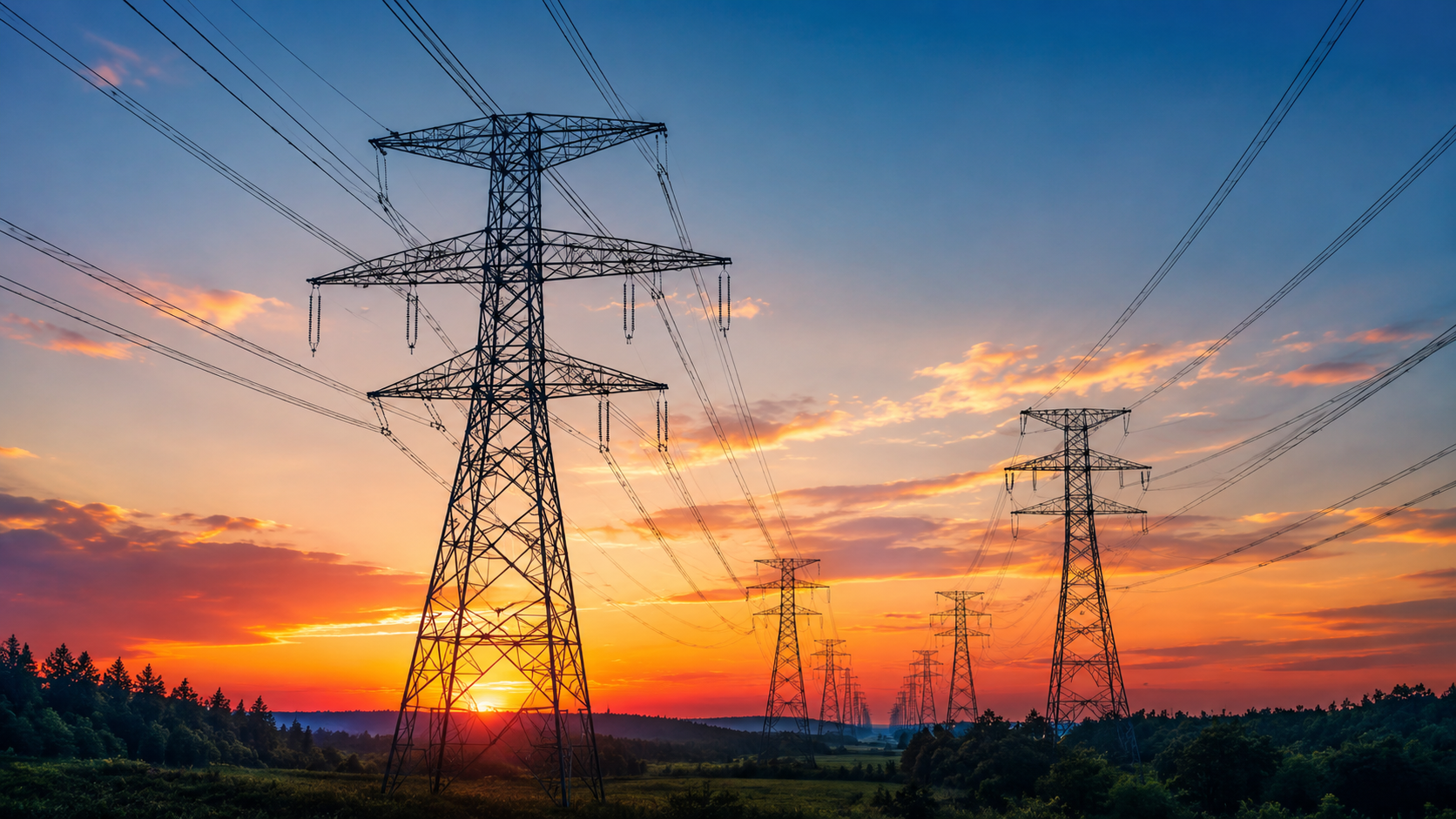
 Power systems are integrated networks and technologies used to generate, transmit, distribute, and utilize electrical power. A power system typically includes power generation facilities such as thermal, hydroelectric, nuclear, solar, or wind power plants It uses high-voltage transmission lines that transport electricity over long distances, substations that regulate voltage levels, distribution networks that deliver electricity locally, and end-use loads. The system also includes equipment like protective devices, control systems, transformers, circuit breakers, relays, monitoring equipment, and communication systems required to maintain reliable and stable operation.
The primary purpose of a power system is to provide a continuous, stable, and efficient supply of electrical energy while maintaining acceptable levels of voltage, reliability, and safety. Because electricity is usually generated and consumed almost simultaneously, power systems must constantly balance electrical generation with electrical demand. This balance is maintained through coordinated control of generators, transmission networks, and distribution systems. Modern power systems also incorporate automation, digital monitoring, and grid management technologies to improve efficiency, fault detection, system protection, and integration of renewable energy sources.
Power Generation - Examines methods of converting mechanical, thermal, hydraulic, solar, wind, nuclear, or chemical energy into electrical energy.
Power Transmission - Focuses on the transport of bulk electrical power across interconnected high-voltage networks.
Power Distribution - Concerns the delivery of electricity to end users.
Power System Protection - Studies methods for detecting and isolating faults such as short circuits, overloads, and equipment failures.
Power System Stability - Analyzes the ability of the electrical network to remain in normal operation following disturbances.
Power Electronics and Control Systems - They regulate power flow, integrate renewable energy sources, and improve system performance.
Power System Types
Direct Current Power System - A power system in which electrical power is generated, transmitted, and distributed using direct current; historically common in early electric systems and currently used in specialized applications such as high-voltage direct current transmission.
Alternating Current Power System - A power system in which electrical power is generated, transmitted, and distributed using alternating current; it is the dominant form used in modern electric power grids because voltage levels can be efficiently transformed.
Single-Phase Power System - An AC power system that uses a single alternating voltage waveform, commonly used for residential and small commercial loads.
Three-Phase Power System - An AC power system that uses three sinusoidal voltages of equal magnitude separated by 120° phase angle; it is the standard configuration for power generation, transmission, and industrial power distribution.
Polyphase Power System - A power system with two or more alternating voltages of equal frequency but different phase angles; three-phase systems are the most widely used form.
High-Voltage Direct Current (HVDC) Power System - A power transmission system that uses high-voltage direct current to transfer large amounts of power over long distances or between asynchronous AC networks.