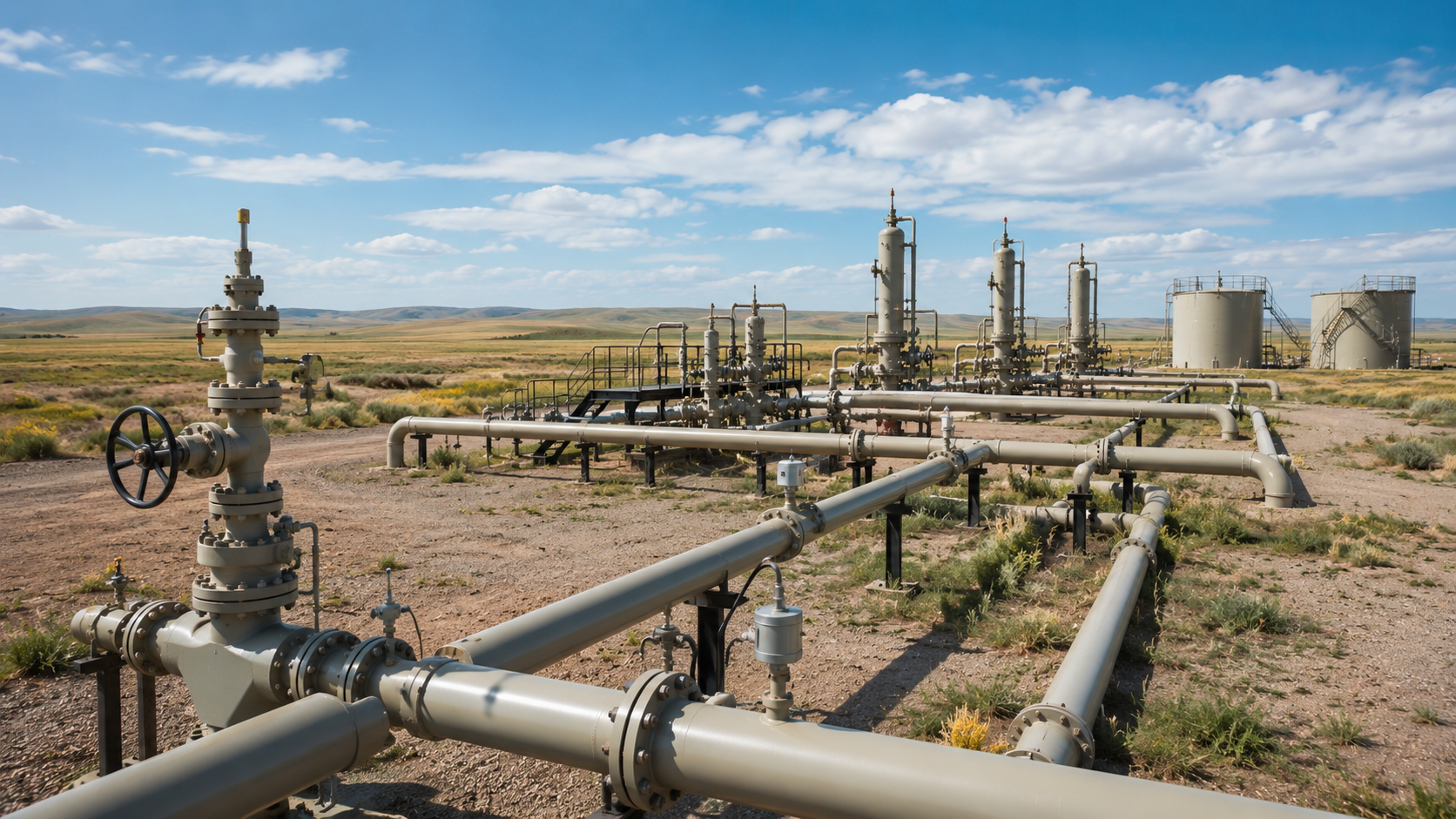
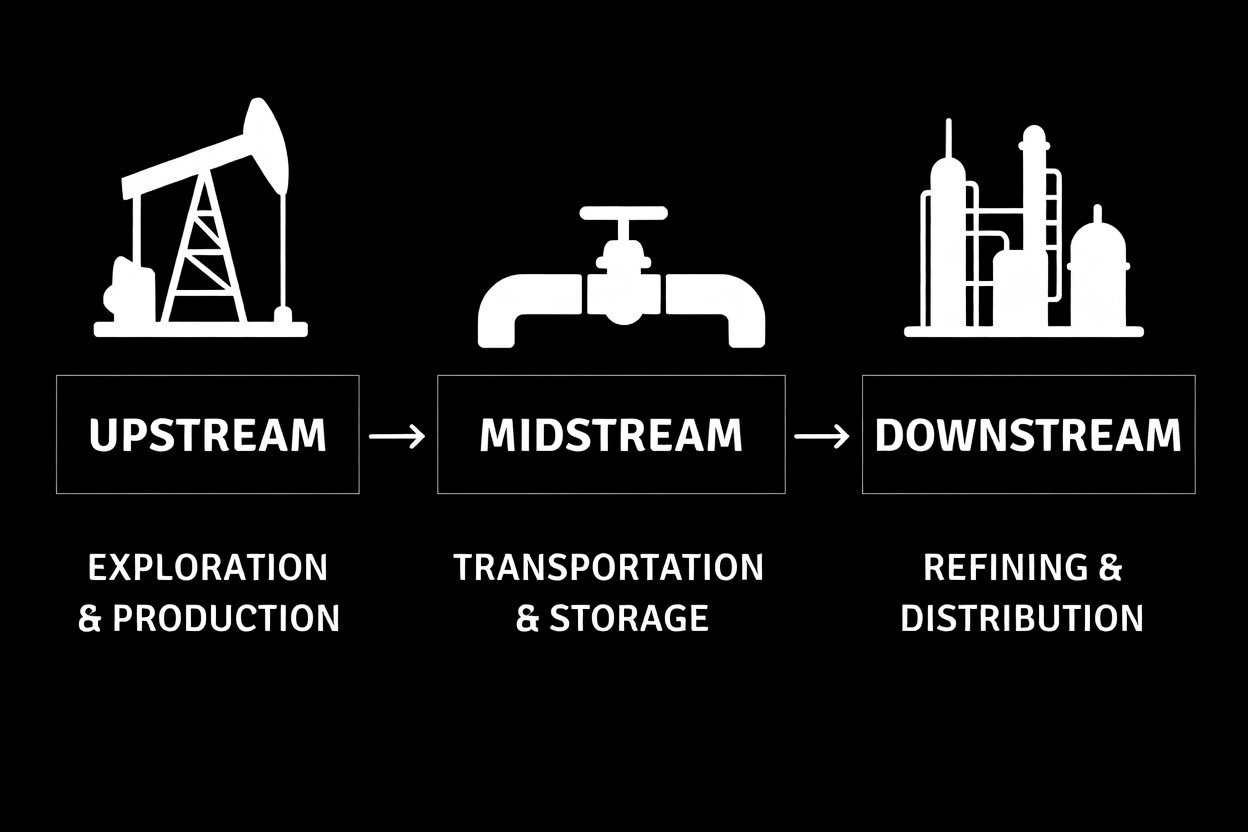
 Gathering system, also called collecting system or gathering facility, consists of the flowline network and associated process facilities that collect, transport, and control the flow of crude oil or natural gas from individual production wells to a central main storage facility, processing plant, or shipping point. These systems form a link in the overall production chain, operating immediately downstream of the wellhead where raw, untreated hydrocarbons emerge mixed with water, sand, and other impurities. Then they deliver this multiphase stream to centralized locations where initial separation and treatment can occur before the product enters larger transmission pipelines or refining processes.
A typical gathering system incorporates a range of equipment to manage the collected fluids safely and efficiently. This equipment includes pumps to maintain flow, headers to combine streams from multiple wells, separators to begin isolating oil, gas, and water phases, emulsion treaters to break oil-water mixtures, tanks for temporary storage, regulators and valves for pressure and flow control, compressors to boost gas pressure where needed, and dehydrators to remove water vapor that could otherwise cause corrosion or hydrate formation in downstream lines.
Gathering systems are distinguished from both the production facilities at the wellhead and the high-volume transmission pipelines that move processed product over long distances. Instead, they handle smaller-diameter lines tailored to the variable pressures, flow rates, and compositions typical of a field with multiple wells, ensuring that production from scattered locations is consolidated without interruption and that operational costs are minimized through shared infrastructure. In practice, these systems optimize field development by routing fluids from remote wells to a single processing hub, thereby supporting continuous output even as individual well rates fluctuate, and they represent a component of midstream operations across both onshore and offshore environments.
Gathering Systems Types
Radial Gathering Systems - Brings all the flowlines from individual wells to a single central header.
Trunk Line Gathering Systems - Uses several remote headers to collect fluid from groups of wells before routing it onward and are mainly used in large fields.
Single-well Gathering Systems - Connects and transports hydrocarbons from one well directly to a processing facility or central collection point. They are typically used for high-output wells where dedicated infrastructure is justified.
Multi-well Gathering Systems - Connects multiple wells to a central gathering pipeline that then transports the combined output to a processing facility. They are common in areas with dense well spacing or where individual well production is lower.
Oil Gathering Systems - Designed specifically for the collection and transportation of crude oil. They often include equipment to handle the higher
viscosity of oil and may require heating or other treatment to facilitate flow through pipelines.
Gas Gathering Systems - Are tailored for the collection and transportation of natural gas. They often include compressors and dehydrators to manage pressure and remove water vapor, ensuring the gas meets quality standards for transportation.
Hybrid Gathering Systems - Designed to handle both oil and gas production from the same field. They can transport both types of hydrocarbons either separately or together, providing operational flexibility.
Onshore Gathering Systems - Operate on land in traditional oil and gas fields, shale plays, and other onshore locations. They are typically easier to construct and maintain.
Offshore Gathering Systems - Designed for marine environments and face unique challenges such as deep-water conditions, high pressures, and harsh weather. They often involve subsea pipelines and surface facilities like platforms or floating production storage and offloading units.
Gathering Systems Components
Comply with Regulations - Ensure that development projects comply with local, regional, and national planning regulations regarding flood risk management.
Flowlines - Small-diameter pipes, typically 2 to 6 inches, that connect individual wellheads to manifolds or satellite facilities. They operate at well discharge pressures and are sized to minimize back pressure while maintaining sufficient velocity to transport liquids and prevent slugging.
Trunk Lines - Larger pipelines that consolidate flow from multiple gathering points to central facilities.
Manifolds - Junction points where multiple flowlines converge. They allow operators to route production from individual wells to test separators or trunk lines.
Headers - combine or isolate gas streams from different wells for efficient flow management.
Separators - Separate oil, water, and gas from the produced crude oil. Their design uses advanced internal structures such as packed trays or cyclone separation technology to ensure efficient separation.
Compressors - Mechanical equipment that increases gas pressure to overcome friction losses and maintain delivery pressure to processing facilities.
Metering Stations - Measure the volume and quality of crude oil or natural gas flowing through the pipeline. They are equipped with flow meters and quality detection equipment to monitor fluid characteristics in real time.
Storage Tanks - Temporarily store crude oil or natural gas extracted from production wells before further transportation or processing.
Pig Launchers and Receivers - Specialized
pressure vessels installed along gathering lines to facilitate pipeline cleaning and inspection. A cylindrical cleaning tool, or pig, is loaded at the launcher and captured at the receiver after traveling through the line to remove accumulated liquids, wax, scale, and debris.
Pumps, Emulsion Treaters, Regulators, Dehydrators, Valves, and other Equipment - This equipment is included in gathering systems to transport and control the flow of oil or gas.