
Petroleum Storage
Storage Tank, Petroleum, Pressure Vessel, Storage Tank and Pressure Vessel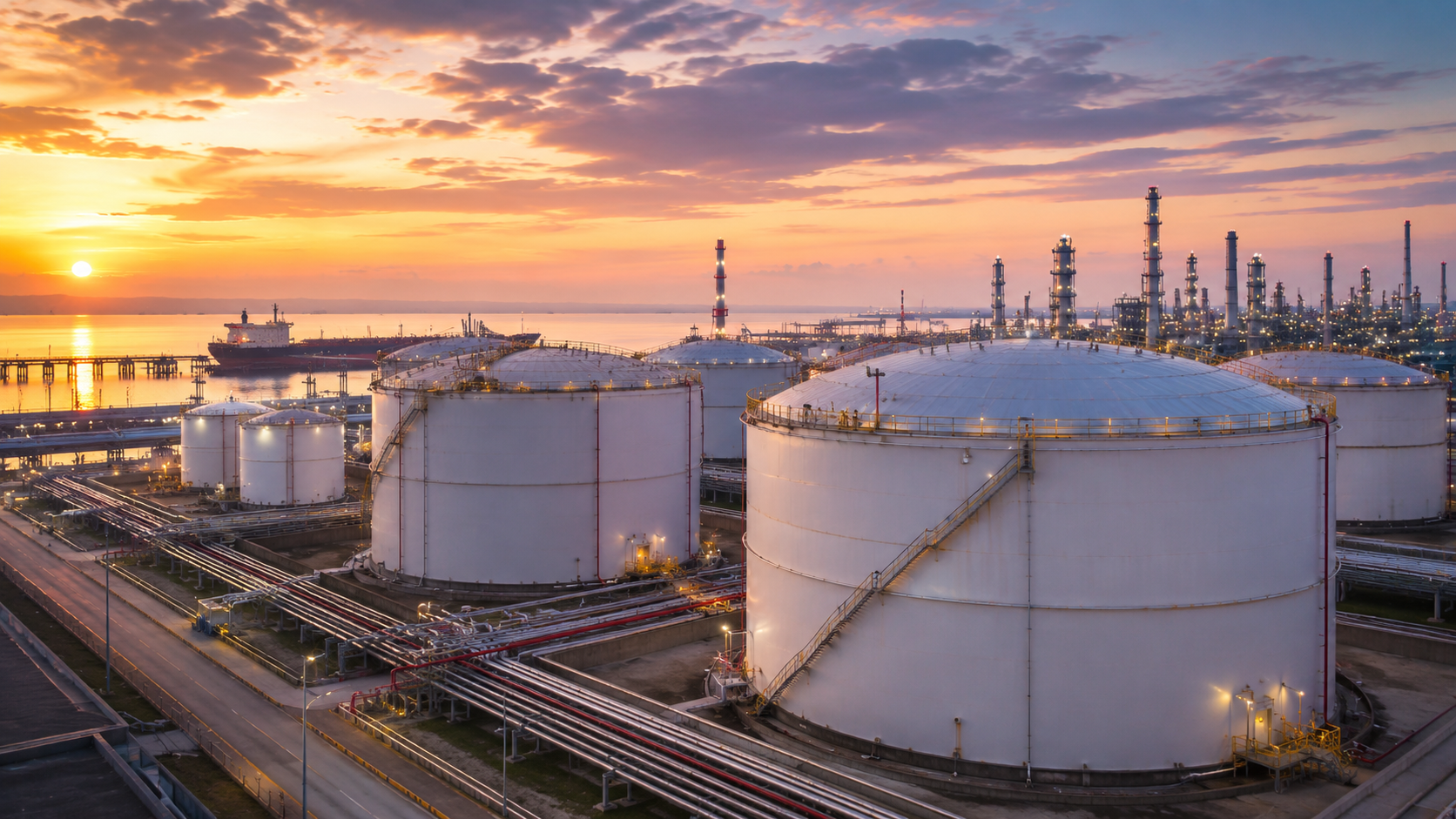
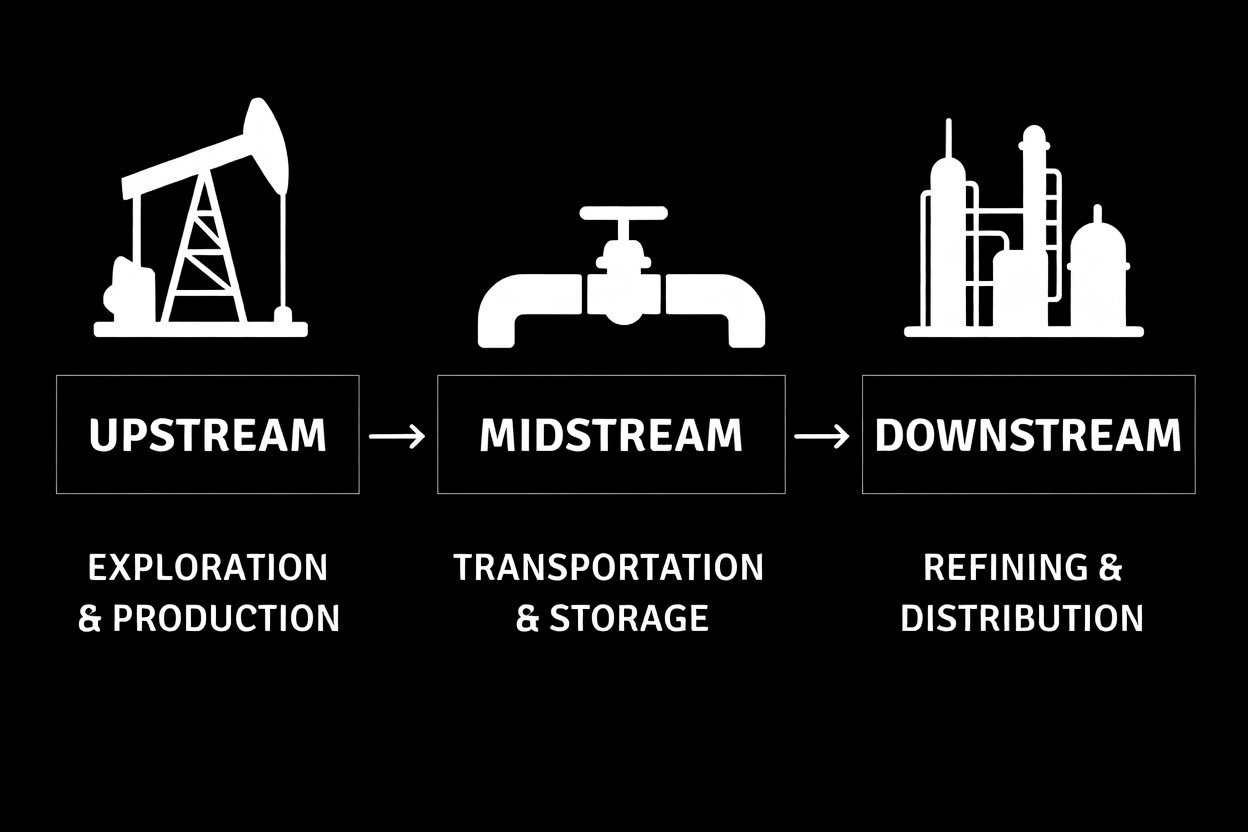 Storage is the containment of crude oil, natural gas, and refined petroleum products in specialized facilities such as tanks or terminals. These facilities form an essential part of the midstream sector, where produced oil and gas are held after extraction and before further transportation, refining, or distribution to end users. Storage enables the industry to balance supply and demand by accumulating volumes when production outpaces immediate needs or market prices are low, and releasing them when demand increases or prices rise.
| Science |
| Applied Science |
| Engineering |
| Mechanical Engineering |
| Petroleum |
| Midstream |
| Petroleum Storage |
Petroleum storage takes two primary forms: aboveground tanks used for crude oil and finished petroleum products, and underground tanks or depleted reservoirs used mainly for natural gas. Regulations prohibit the use of underground natural spaces for finished oil products in many jurisdictions, directing those volumes to surface tanks instead. Terminals, which are clusters of such tanks, include pumping equipment, loading systems, and pipeline connections to support safe transfer to ships, trucks, railcars, or pipelines. This infrastructure ensures reliable, efficient, and secure holding of petroleum throughout the supply chain from upstream production sites to downstream refineries and retail outlets.
A petroleum storage tank is defined as any combination of aboveground or underground tanks and their connecting underground piping that holds petroleum products. These systems operate under strict regulatory oversight to prevent environmental releases and maintain operational integrity. Overall, petroleum storage serves as a buffer in energy logistics, allowing the industry to manage inventory, mitigate price volatility, and sustain uninterrupted fuel supply to meet market requirements.
Storage Types
In the petroleum industry, storage is classified as aboveground storage tanks (\(ASTs\)) and underground storage tanks (\(USTs\)) used to contain petroleum products. \(ASTs\) are the primary choice for crude oil and refined products in fixed-roof or floating-roof designs selected according to vapor pressure and volatility. \(USTs\) provide secondary containment for regulated substances but are subject to strict environmental rules limiting their use for large-scale volumes.