Aeration is the process where water is subjected to intimate air contacting for the purpose of removing contaminating gasses or to saturate it with dissolved oxygen. Aeration is used to remove undesirable gasses such as carbon dioxide and hydrogen sulfide. Alternatively, it can be used for the removable of iron and manganese if this is not being done later on in the process by other means, such as ion exchange. During the latter case, the metals are oxidized to form insoluble hydroxides which will precipitate out and can be settled or filtered.
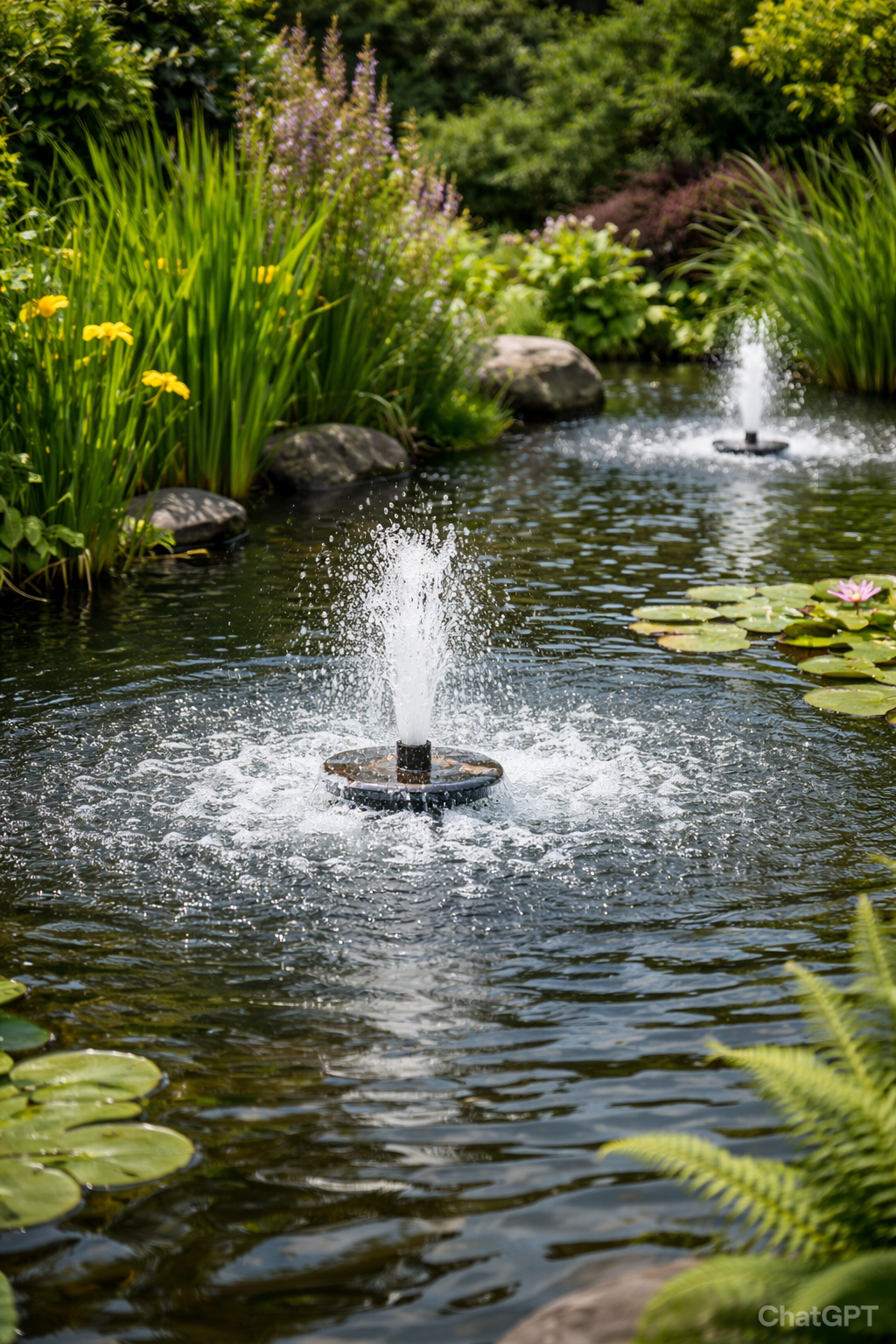 The simplest approach to aeration is to diffuse air bubbles through a water tank. Because this method requires large volumes of air, diffusion is limited to smaller flows. When the flow rates are larger, air is forces through a blower at the bottom a degasifier. It flows against the current of falling water. Water and precipitate falls to the bottom of the degasifier where it is filtered or settles out. Tank and vessel aeration refers to the process of introducing air or another gas into a liquid contained within a tank or vessel. This is typically done for various industrial and chemical processes, as well as in water treatment and environmental applications.
Oxygenation is one of the primary reasons for tank and vessel aeration is to oxygenate the liquid. In biological wastewater treatment, for example, aerating the water allows aerobic bacteria to break down organic matter effectively. Similarly, in aquaculture, aeration provides oxygen to fish or other aquatic organisms.
Reasons for Aeration