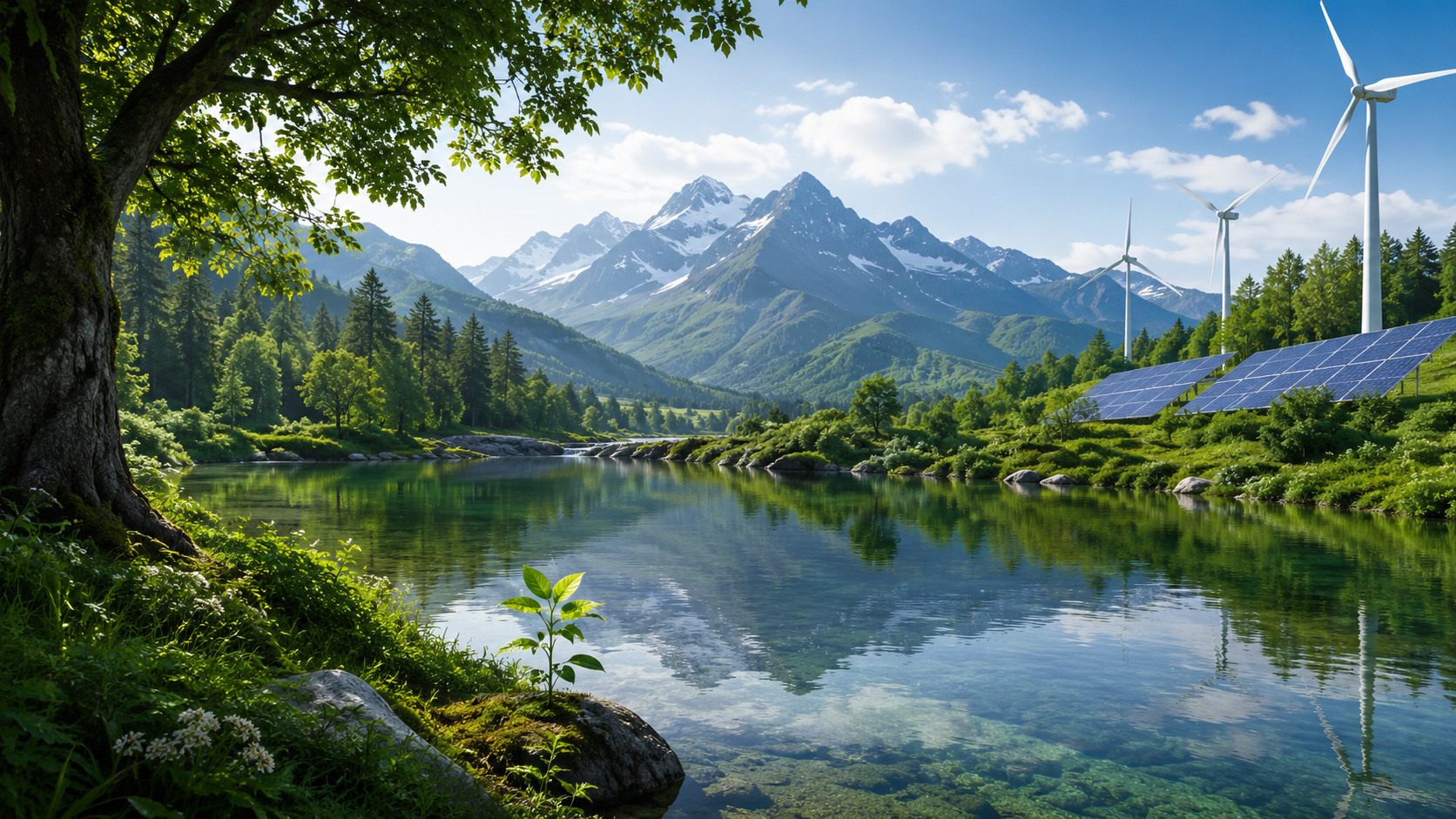
 Environmental focuses on protecting and improving the environment by applying scientific and engineering principles. It involves designing, implementing, and managing systems and technologies that help reduce pollution, conserve natural resources, and ensure sustainable development. They use the principles of engineering, oceanography, marine biology, and chemistry to develop solutions that mitigate or prevent environmental problems related to the marine energy industry.
Environmental engineers work in various sectors, including government agencies, private industry, and non-profit organizations, to ensure that human activities are conducted in an environmentally responsible manner. They play a role in addressing global challenges such as climate change, resource depletion, and pollution.
Air Pollution Control - Deals with the monitoring, prevention, and control of air pollutants emitted from industrial, transportation, and natural sources.
Ecological - Applies ecological principles to the design and restoration of sustainable natural and engineered ecosystems.
Environmental Impact Assessment (EIA) - Focused on evaluating the potential environmental effects of proposed projects or developments before they are carried out.
Environmental Remediation - Concerned with the investigation and cleanup of contaminated soil, groundwater, and sediments using physical, chemical, or biological methods.
Industrial Environmental - Focused on pollution prevention, resource efficiency, and environmental compliance in industrial processes.
Waste Management - It addresses the collection, treatment, recycling, and disposal of municipal, industrial, and hazardous solid wastes.
Water Resources - Environmental engineering concerned with the assessment, management, and protection of surface water and groundwater resources, including water supply, hydrology, and watershed management.