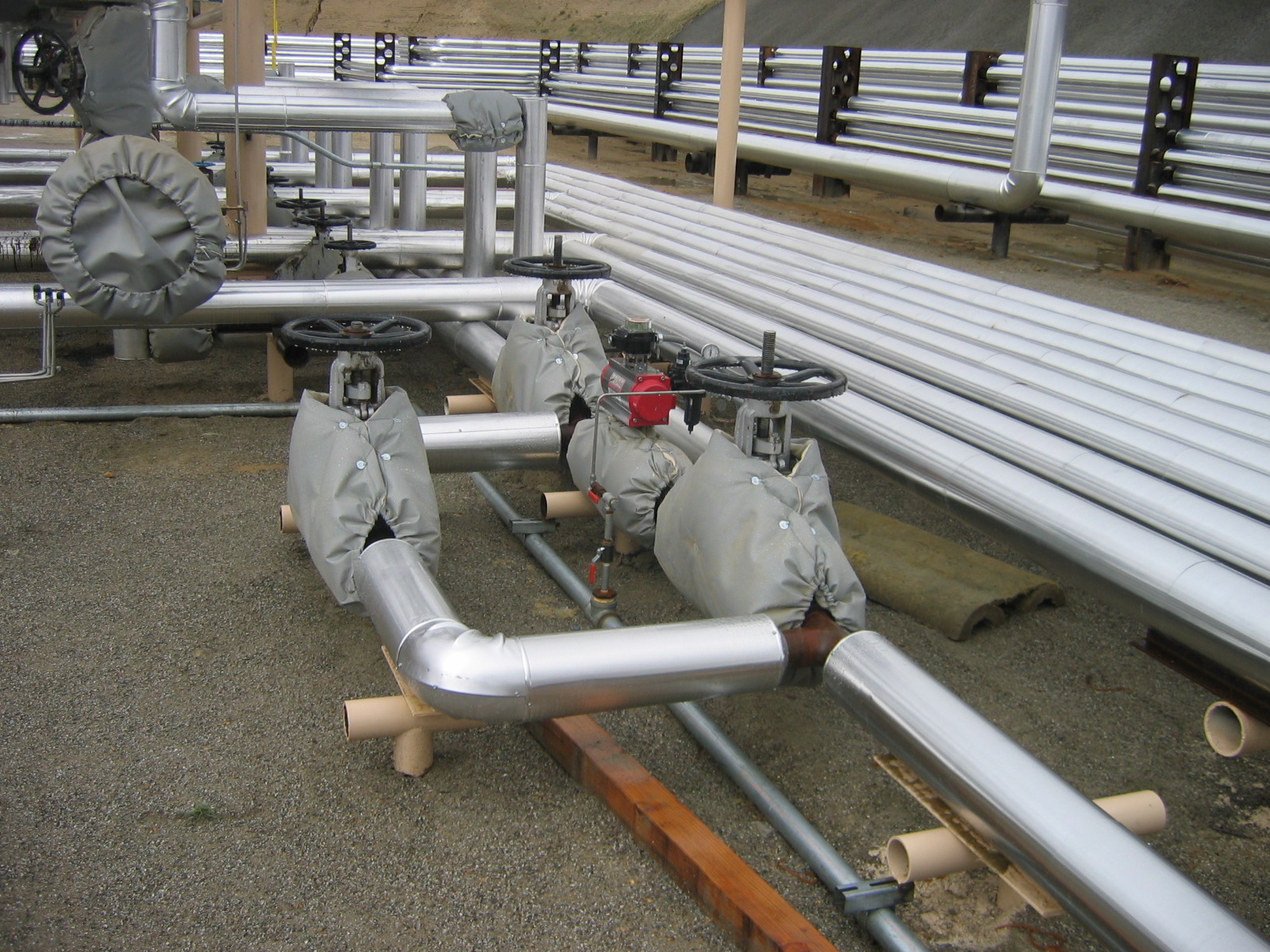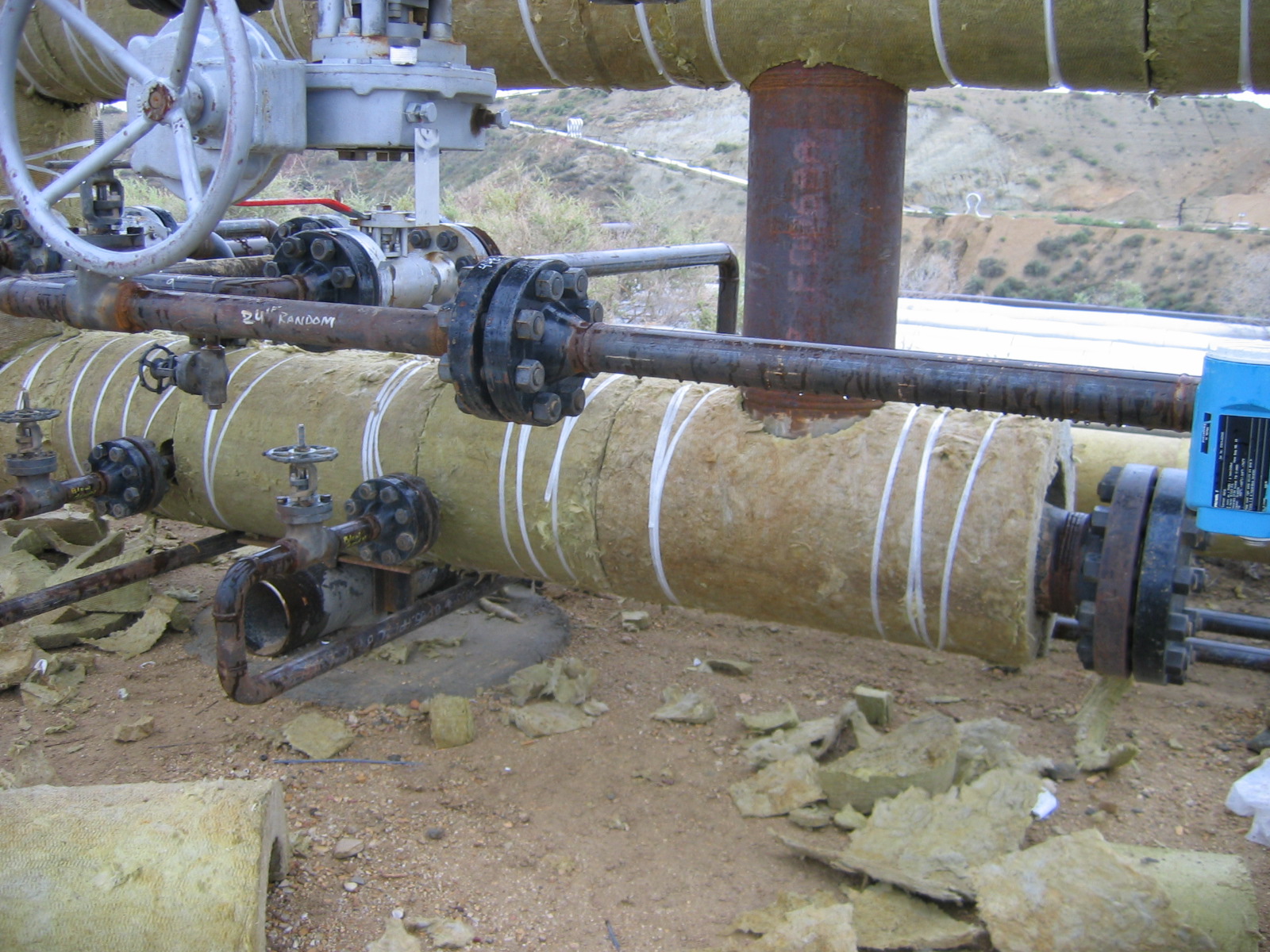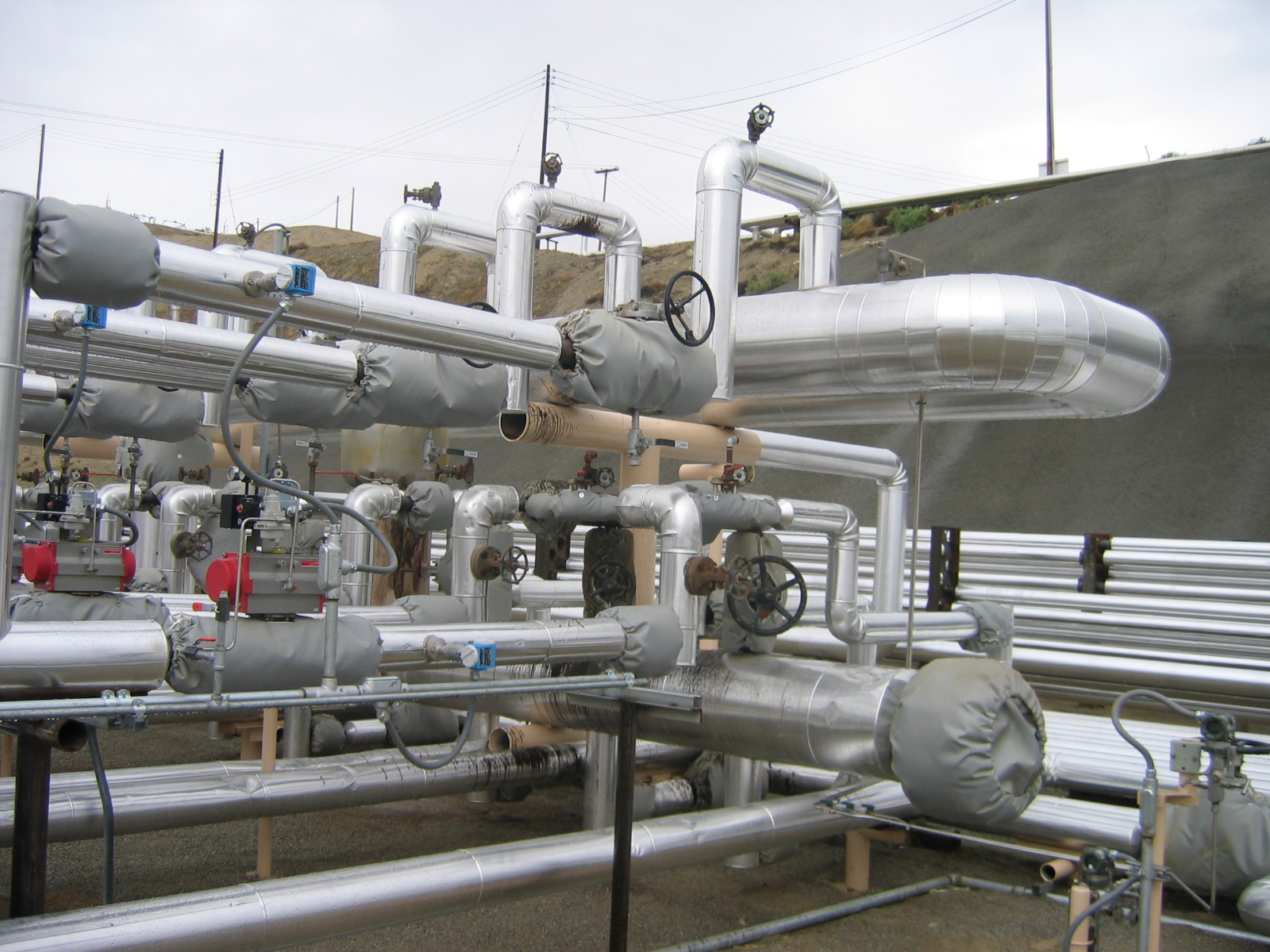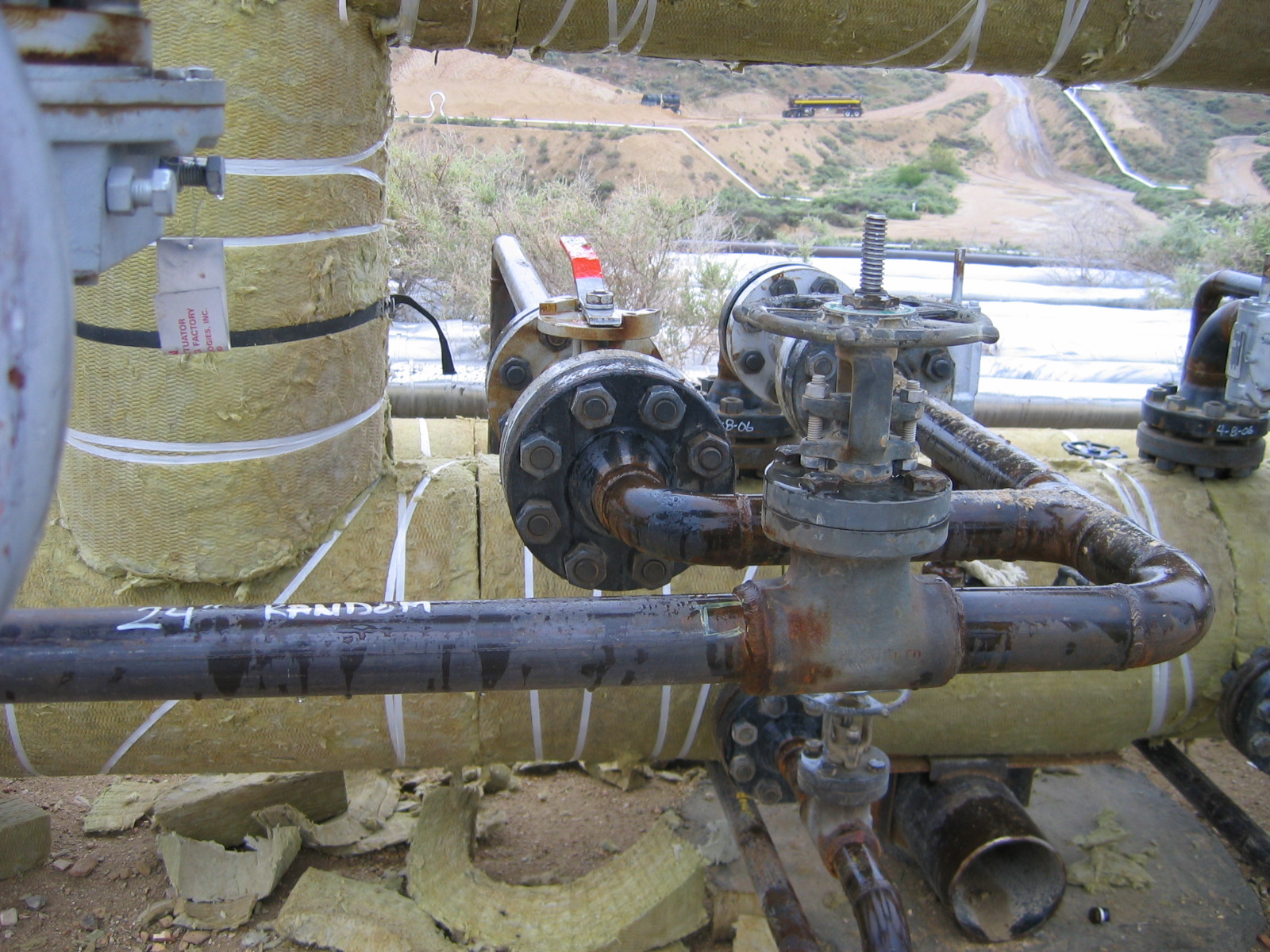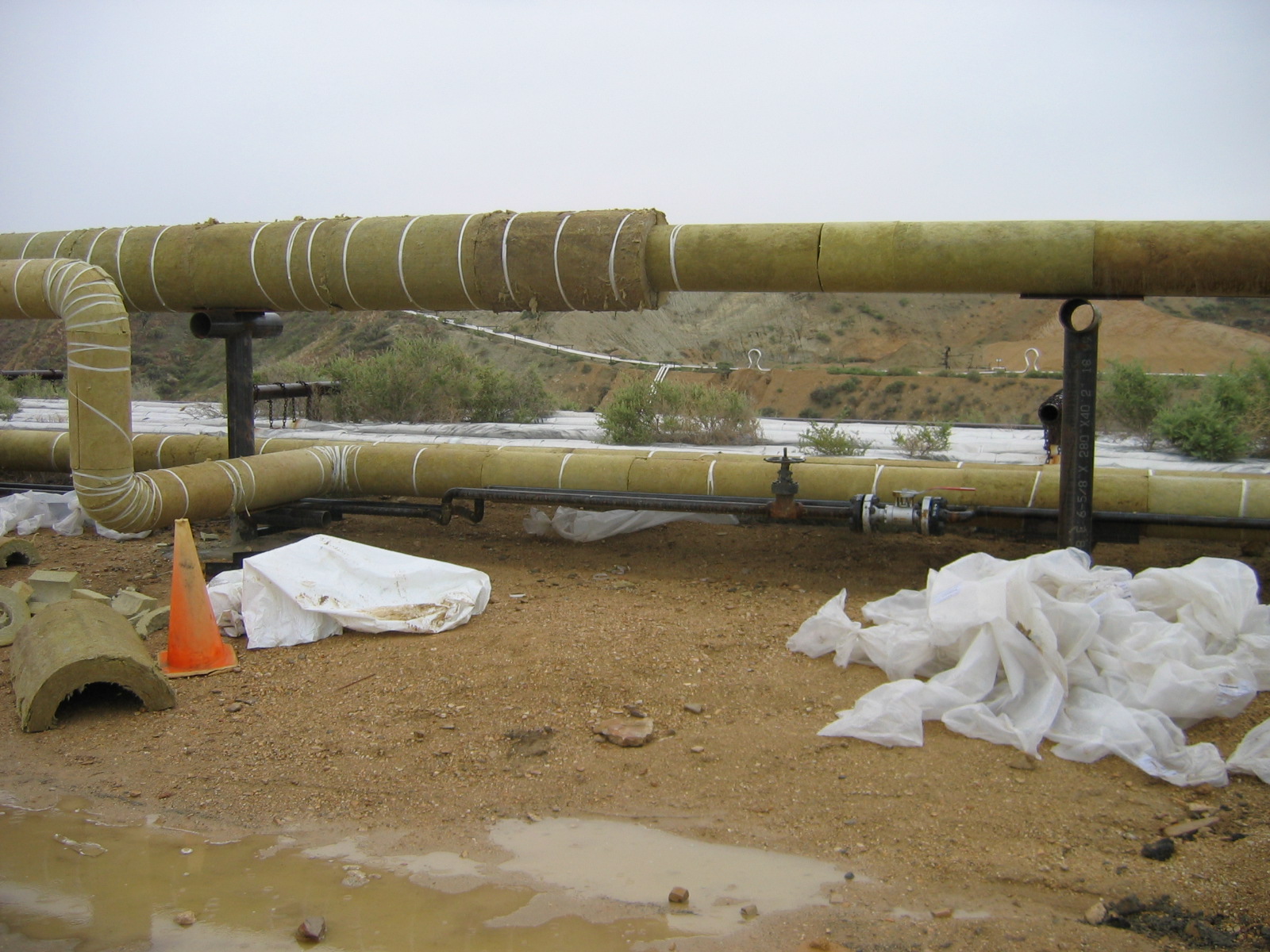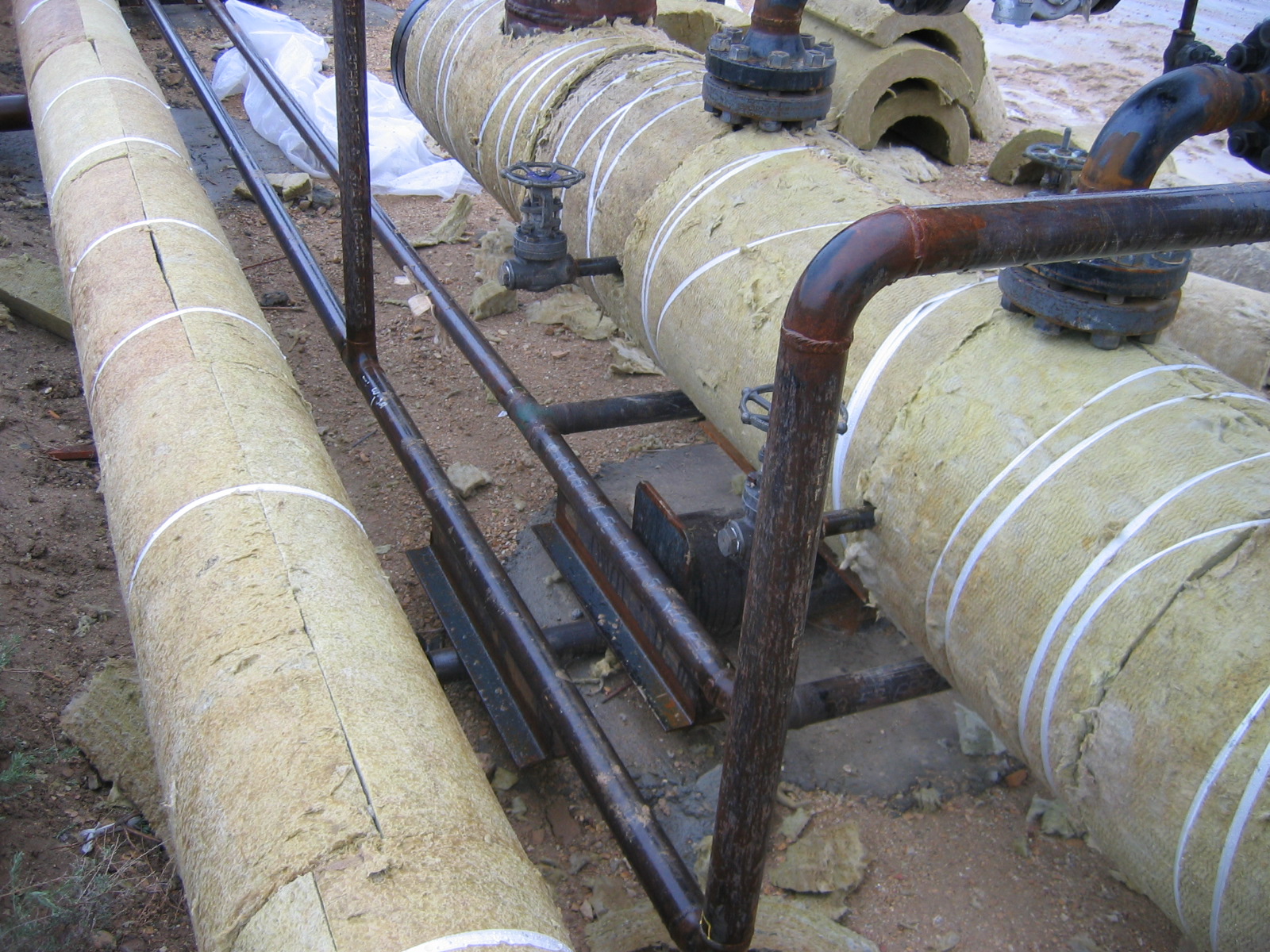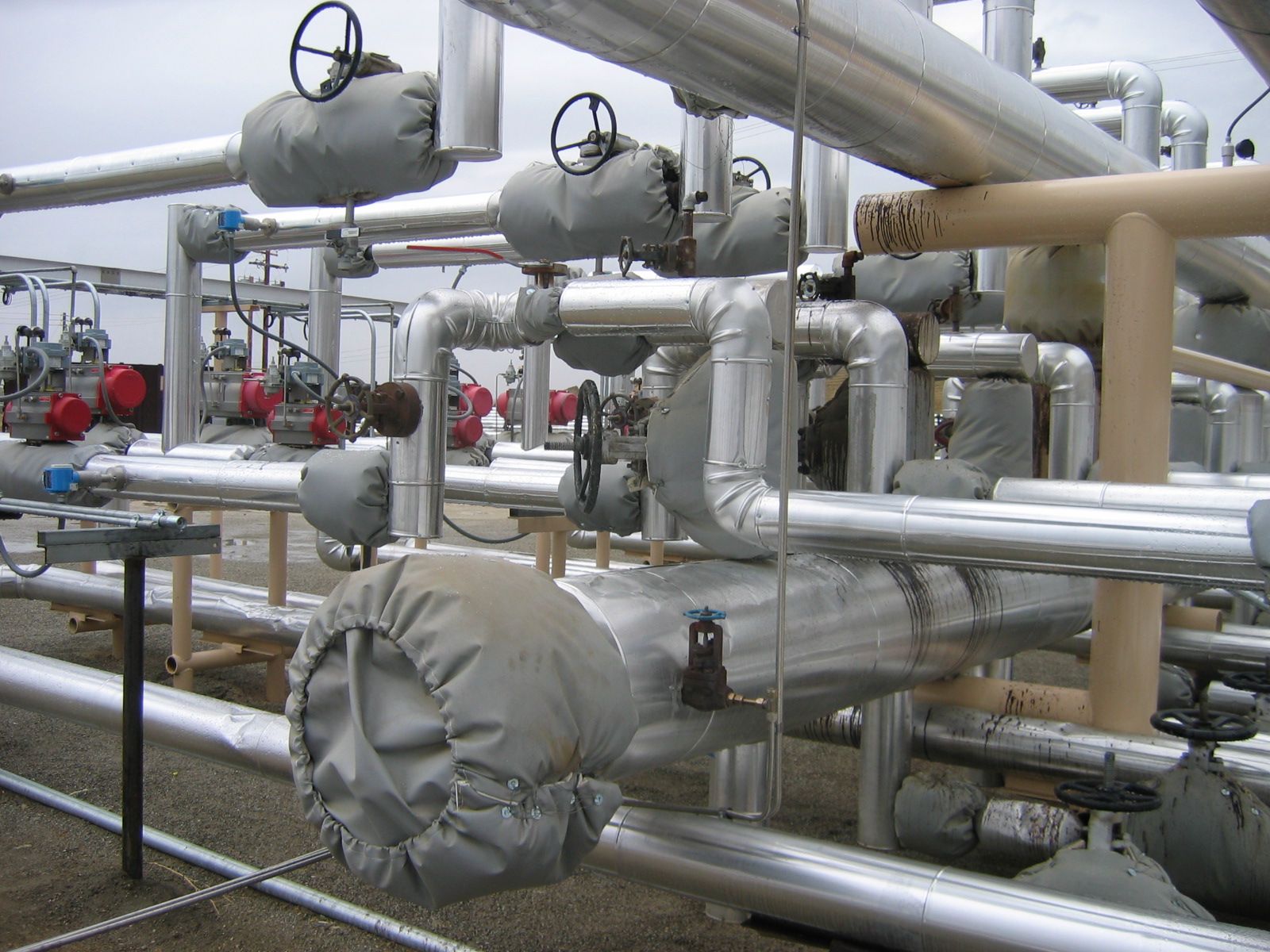
Pipe insulation is a material used to cover and protect pipes, typically for the purpose of preventing heat loss or gain, controlling condensation, and providing thermal insulation. Pipes that transport hot fluids, such as water or steam, can lose heat to the surrounding environment, and cold pipes can accumulate condensation. Pipe insulation helps to address these issues by creating a barrier between the pipe and the external conditions.
Pipe Insulation DatasheetCalcium Silicate Insulation for Full Heat Conservation - Economic Thickness of Insulation (in) | ||||||||||||
|---|---|---|---|---|---|---|---|---|---|---|---|---|
| (NPS) | Temperature Range | |||||||||||
| 100 | 200 | 300 | 400 | 500 | 600 | 700 | 800 | 900 | 1,000 | 1,100 | 1,200 | |
| 1/2 | 0.0 | 0.0 | 0.0 | 1.0 | 1.0 | 1.0 | 1.5 | 1.5 | 1.5 | 1.5 | 1.5 | 1.5 |
| 3/4 | 0.0 | 0.0 | 0.0 | 1.0 | 1.0 | 1.5 | 1.5 | 1.5 | 1.5 | 1.5 | 1.5 | 2.5 |
| 1 | 0.0 | 0.0 | 1.0 | 1.0 | 1.0 | 1.5 | 1.5 | 1.5 | 1.5 | 1.5 | 2.5 | 2.5 |
| 1 1/2 | 0.0 | 0.0 | 1.0 | 1.0 | 1.5 | 1.5 | 1.5 | 1.5 | 2.5 | 2.5 | 2.5 | 2.5 |
| 2 | 0.0 | 0.0 | 1.0 | 1.5 | 1.5 | 1.5 | 1.5 | 2.5 | 2.5 | 2.5 | 2.5 | 2.5 |
| 3 | 0.0 | 1.0 | 1.5 | 1.5 | 1.5 | 1.5 | 2.5 | 2.5 | 2.5 | 2.5 | 2.5 | 2.5 |
| 4 | 0.0 | 1.0 | 1.0 | 1.5 | 1.5 | 1.5 | 2.5 | 2.5 | 2.5 | 2.5 | 2.5 | 2.5 |
| 6 | 0.0 | 1.5 | 1.5 | 1.5 | 1.5 | 1.5 | 2.5 | 2.5 | 2.5 | 2.5 | 2.5 | 2.5 |
| 8 | 0.0 | 1.5 | 1.5 | 1.5 | 2.0 | 2.0 | 2.5 | 2.5 | 2.5 | 2.5 | 2.5 | 2.5 |
| 10 | 0.0 | 1.5 | 1.5 | 1.5 | 2.0 | 2.5 | 2.5 | 2.5 | 2.5 | 2.5 | 2.5 | 3.0 |
| 12 | 0.0 | 1.5 | 1.5 | 2.0 | 2.0 | 2.5 | 2.5 | 2.5 | 2.5 | 2.5 | 2.5 | 3.0 |
| 14 | 0.0 | 1.5 | 1.5 | 2.0 | 2.0 | 2.5 | 2.5 | 2.5 | 2.5 | 2.5 | 2.5 | 3.0 |
| 16 | 0.0 | 1.5 | 1.5 | 2.0 | 2.0 | 2.5 | 2.5 | 2.5 | 2.5 | 2.5 | 2.5 | 3.0 |
| 18 | 0.0 | 1.5 | 1.5 | 2.0 | 2.0 | 2.5 | 2.5 | 2.5 | 2.5 | 2.5 | 2.5 | 3.0 |
| 20 | 0.0 | 1.5 | 2.0 | 2.0 | 2.0 | 2.5 | 2.5 | 2.5 | 2.5 | 2.5 | 3.0 | 3.0 |
| 24 | 0.0 | 2.0 | 2.0 | 2.0 | 2.0 | 2.5 | 2.5 | 2.5 | 2.5 | 2.5 | 2.5 | 3.0 |
| 30 | 0.0 | 1.5 | 1.5 | 1.5 | 2.5 | 2.5 | 2.5 | 2.5 | 2.5 | 2.5 | 2.5 | 3.5 |
| 30+ | 0.0 | 1.5 | 1.5 | 2.0 | 2.5 | 2.5 | 2.5 | 2.5 | 3.0 | 3.0 | 3.0 | 4.0 |
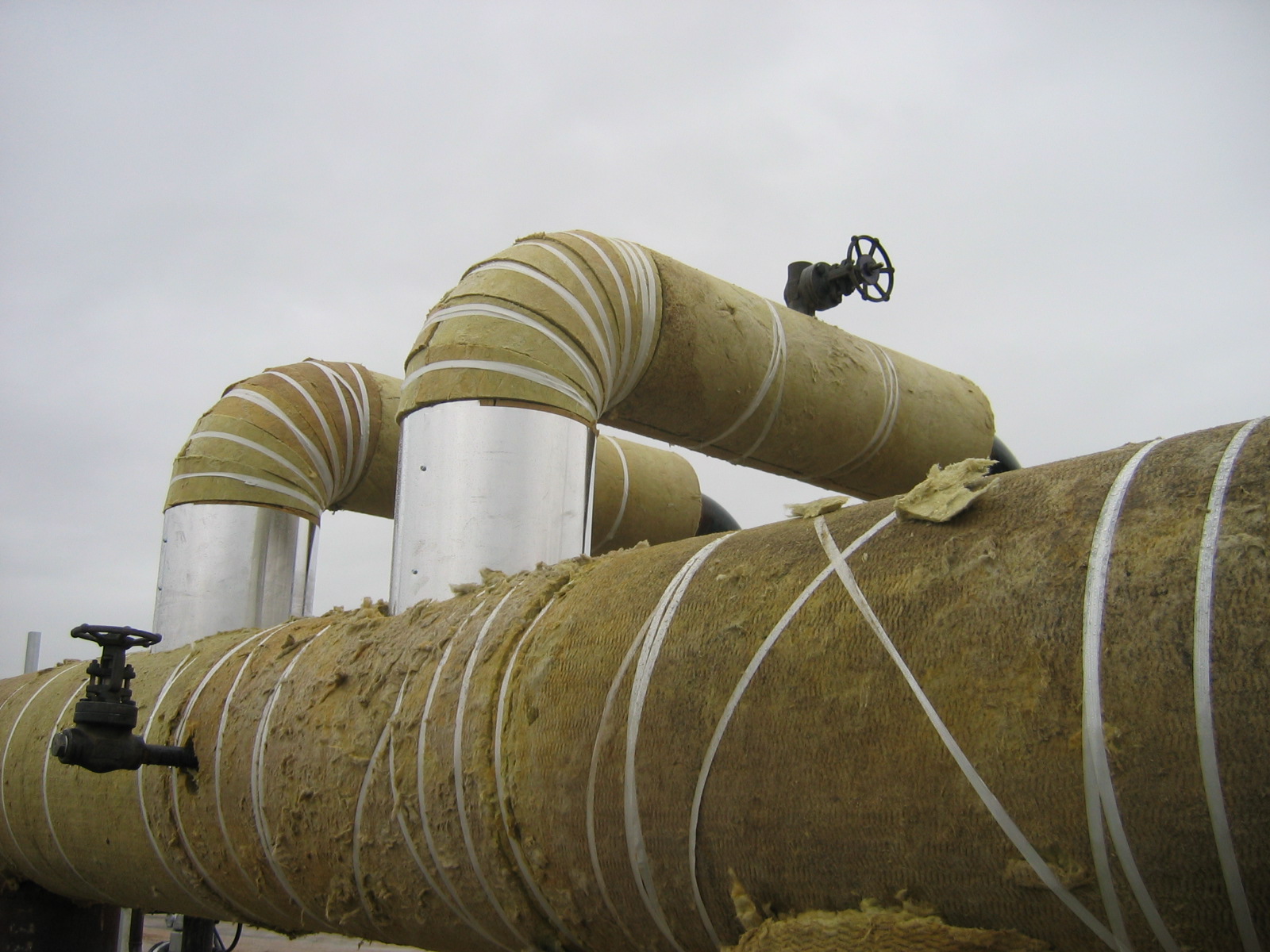
Common Materials used for Pipe Insulation
Primary Benefits of Pipe Insulation
The choice of insulation material depends on factors such as the temperature of the pipe, the type of fluid being transported, and the specific requirements of the application. Properly installed pipe insulation is a key component of many building and industrial systems, contributing to both energy efficiency and equipment longevity.
Pipe Insulation DatasheetMaximum Allowable Operating Temperature in Degrees F for Piping and Vessels Which Will Maintain Surface Temperature of Thickness at 160°F (in) | ||||||||||||
|---|---|---|---|---|---|---|---|---|---|---|---|---|
| (NPS) | Temperature Range | |||||||||||
| 1.00 | 1.50 | 2.00 | 2.50 | 3.00 | 3.50 | 4.00 | 4.50 | 5.00 | 5.50 | 6.00 | ||
| 1/2 | 432 | 589 | 741 | 885 | 1,021 | 1,149 | 1,270 | 1,383 | 1,491 | 1,593 | 1,690 | |
| 3/4 | 418 | 566 | 711 | 850 | 981 | 1,106 | 1,223 | 1,334 | 1,439 | 1,539 | 1,635 | |
| 1 | 404 | 544 | 683 | 816 | 942 | 1,063 | 1,177 | 1,285 | 1,388 | 1,486 | 1,579 | |
| 1 1/2 | 385 | 513 | 640 | 763 | 882 | 995 | 1,103 | 1,206 | 1,305 | 1,399 | 1,489 | |
| 2 | 376 | 496 | 617 | 734 | 848 | 957 | 1,061 | 1,161 | 1,256 | 1,348 | 1,435 | |
| 3 | 362 | 471 | 581 | 689 | 794 | 895 | 993 | 1,086 | 1,176 | 1,263 | 1,346 | |
| 4 | 354 | 458 | 562 | 664 | 763 | 859 | 952 | 1,042 | 1,128 | 1,211 | 1,291 | |
| 6 | 346 | 442 | 537 | 631 | 723 | 811 | 897 | 981 | 1,061 | 1,139 | 1,214 | |
| 8 | 341 | 433 | 524 | 613 | 699 | 784 | 865 | 944 | 1,021 | 1,095 | 1,167 | |
| 10 | 338 | 427 | 514 | 600 | 683 | 764 | 842 | 918 | 991 | 1,062 | 1,131 | |
| 12 | 336 | 423 | 508 | 591 | 682 | 750 | 826 | 899 | 970 | 1,039 | 1,106 | |
| 14 | 335 | 421 | 505 | 587 | 666 | 743 | 817 | 890 | 960 | 1,028 | 1,094 | |
| 16 | 334 | 419 | 501 | 581 | 659 | 734 | 807 | 877 | 946 | 1,012 | 1,076 | |
| 18 | 333 | 417 | 498 | 577 | 653 | 727 | 798 | 867 | 934 | 999 | 1,062 | |
| 20 | 332 | 415 | 495 | 573 | 648 | 721 | 791 | 859 | 925 | 989 | 1,051 | |
| 24 | 331 | 412 | 491 | 567 | 640 | 711 | 780 | 846 | 910 | 972 | 1,032 | |
| 30 | 330 | 410 | 481 | 561 | 633 | 702 | 768 | 832 | 894 | 954 | 1,012 | |
| 30+ | 325 | 399 | 470 | 536 | 599 | 658 | 715 | 769 | 820 | 870 | 917 | |
Insulation Density
Density of the insulation is an important parameter because it can affect the insulation's thermal performance, mechanical properties, and overall effectiveness in providing insulation. Different insulation materials have varying densities, and the choice of density depends on factors such as the application, temperature requirements, and specific performance criteria.
Higher Density - Higher density insulation materials tend to offer better thermal performance and mechanical strength. They may be more effective in applications where durability and resistance to compression are crucial.
Lower Density - Lower density insulation materials may be more lightweight and flexible. They are often used in applications where weight is a concern or where flexibility is important for easy installation around pipes with complex shapes.
It's essential to consider the specific requirements of the piping system and the conditions it will be exposed to when selecting pipe insulation with an appropriate density. For instance, in industrial settings with high temperature pipes, a denser and more heat resistant insulation material might be preferred. When working with pipe insulation, manufacturers and suppliers typically provide information about the density of their products as part of the technical specifications. It's advisable to consult these specifications and, if necessary, seek guidance from insulation professionals or engineers to ensure that the chosen insulation meets the requirements of the specific application.