Operating pressure is the actual internal pressure at which a system, vessel, pipeline, tank, boiler, heat exchanger, pump, compressor, or other pressure-containing equipment is intended to operate during normal service. It is a process parameters in engineering because it directly affects equipment performance, fluid properties, structural stresses, safety, and compliance with design codes. Operating pressure is established by the process requirements and is typically maintained within a specified range during normal operation.
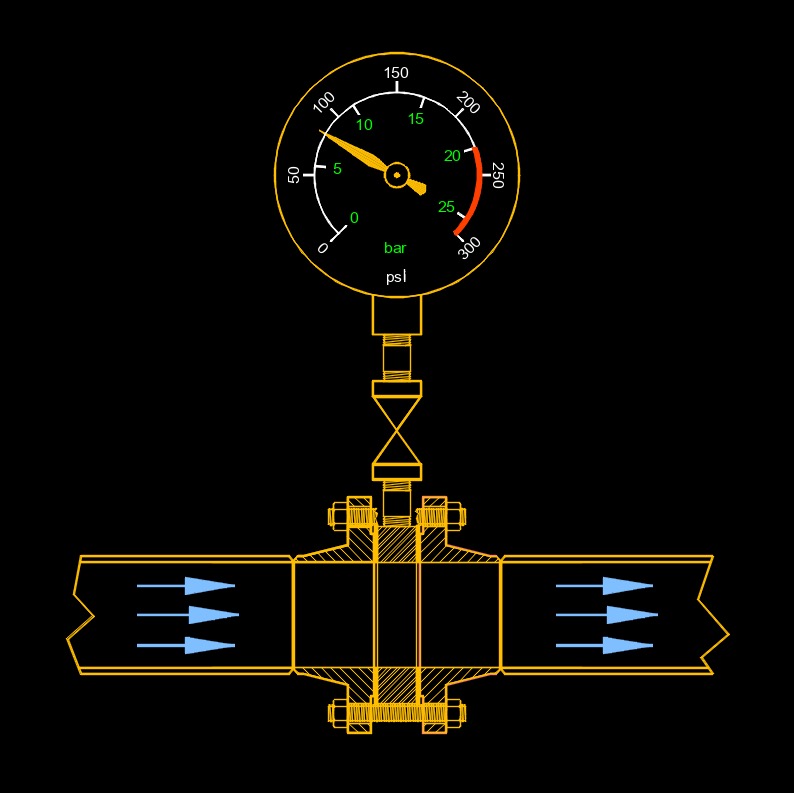 Operating pressure is not necessarily constant. In most industrial systems it varies slightly because of changes in flow rate, temperature, equipment loading, control valve position, pump or compressor, and process demand. Engineers therefore often specify a normal operating pressure and an operating pressure range rather than a single value. For example, a process vessel might normally operate at 145 psig but be expected to vary between 140 and 150 psig during routine operation.
Operating pressure differs from several other pressure ratings that are commonly used in engineering. Design pressure is the pressure selected by the engineer for sizing and designing the equipment and is intentionally higher than the maximum expected operating pressure to provide an engineering margin for process variations and abnormal conditions. Maximum allowable working pressure (MAWP) is the maximum pressure permitted at a specified temperature according to the equipment's design, construction, and applicable code, such as the ASME Boiler and Pressure Vessel Code. Operating pressure should remain below both the design pressure and the MAWP during normal operation. In many systems, set pressure of a pressure relief valve is selected at or below the MAWP so that the equipment is protected if pressure rises beyond acceptable limits.
A common misconception is that operating pressure represents the highest pressure the equipment can safely withstand. This is incorrect. Operating pressure is simply the pressure during normal service. Equipment is designed with additional pressure capacity above the operating pressure to accommodate expected process fluctuations, startup and shutdown transients, control system variations, and other foreseeable operating conditions while remaining within the applicable design code limits. Exceeding the intended operating pressure does not necessarily result in immediate failure, but sustained operation above design limits or MAWP can compromise safety, violate code requirements, and increase the risk of equipment damage or rupture.